Talk to the People
The truth about any process lives with the operators. Start there, not in the org chart.
Top Shelf is a one-operator shop by design. When you hire us, you're hiring a seasoned engineer who still writes the code, draws the diagrams, and picks up the phone.
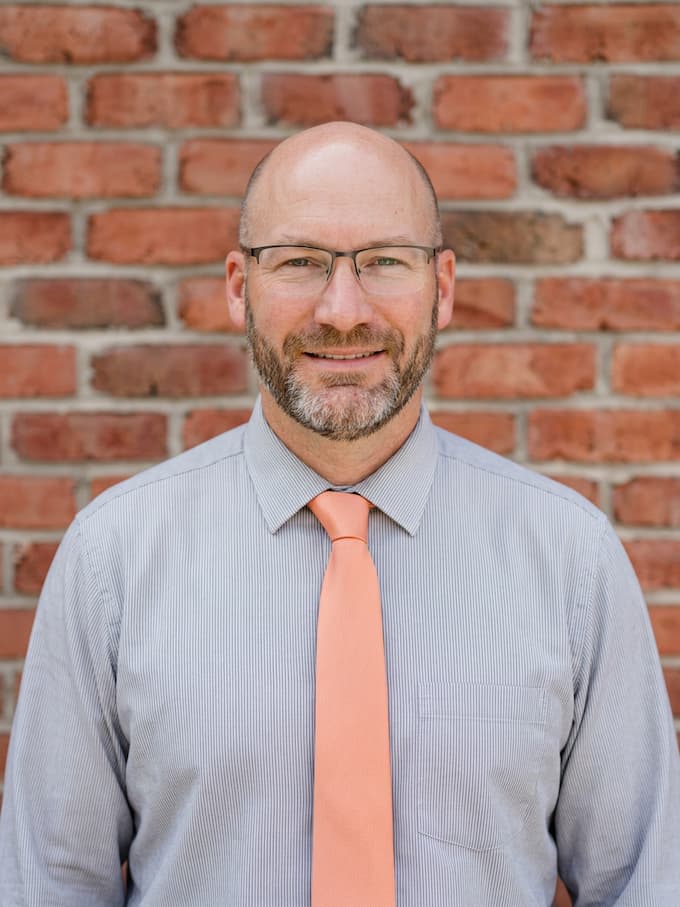
I started as a product engineer. Actual drawings. Actual tolerances. The kind of work where a wrong decimal place shows up on a receiving dock a month later. That foundation shaped how I think about everything I've built since.
Over the last twenty-plus years, my work has increasingly lived in the space between manufacturing and technology — writing software for people who build things, integrating systems that were never meant to talk, and translating institutional knowledge into tools that actually get used. It's rewarding work because the results are tangible: a shorter lead time, a cleaner handoff, an order that moves through the shop without someone having to re-key it.
My approach is rooted in continuous improvement. I measure before I change anything. I pilot before I commit. I document what we did and why, so the next person — or the next version of me — can pick up where we left off. The tools change every few years. The discipline doesn't.
If you have a system that used to work, a process that everyone quietly works around, or a product that's stuck between concept and tooling — those are the problems I enjoy. I don't oversell, I don't upskill on your dime, and I don't hand you off. You talk to me from the first call to the last line of code.
The truth about any process lives with the operators. Start there, not in the org chart.
Before recommending change, quantify the current state. Without a baseline, "improvement" is just opinion.
Increments over announcements. The faster you see real output, the faster bad assumptions surface.
Leave documentation the next person can use. Software you can't maintain is a liability, not an asset.